Unlocking the Power of Serverless Computing on AWS: A Beginner’s Guide
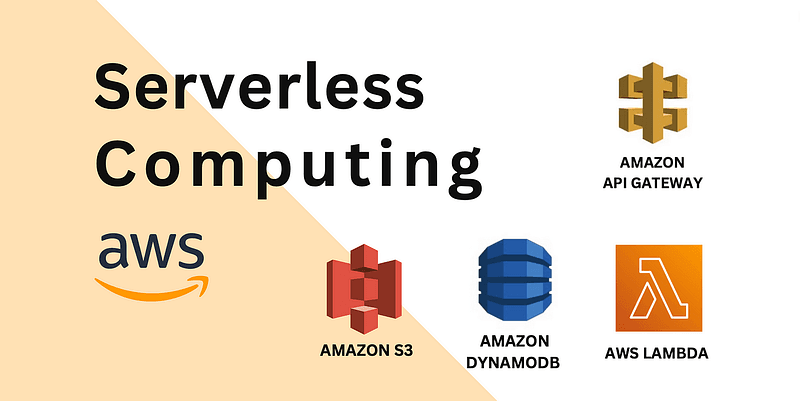
In recent years, serverless computing has emerged as a game-changer in the realm of cloud computing, offering developers a scalable and cost-effective solution for building and deploying applications. Among the leading providers of serverless infrastructure, Amazon Web Services (AWS) stands out with its comprehensive suite of serverless services. In this article, we’ll explore the fundamentals of serverless computing on AWS, its benefits, and how you can leverage it to accelerate your development workflows.
What is Serverless Computing?
Serverless computing, often referred to as Function as a Service (FaaS), is a cloud computing model where cloud providers dynamically manage the allocation and provisioning of servers. In simpler terms, developers can focus solely on writing code without the need to manage servers, infrastructure, or scaling concerns. With serverless, you pay only for the resources consumed during the execution of code, making it a cost-effective option for applications with variable workloads.
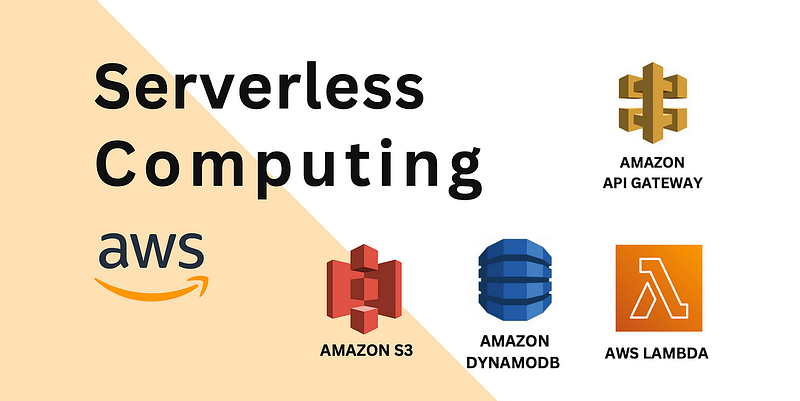
AWS Lambda: The Heart of Serverless on AWS At the core of AWS’s serverless offering lies AWS Lambda, a compute service that lets you run code without provisioning or managing servers. With Lambda, you can upload your code, and AWS takes care of everything required to run and scale it with high availability. Lambda supports a variety of programming languages, including Node.js, Python, Java, and Go, enabling developers to choose the language they’re most comfortable with.
Benefits of Serverless Computing on AWS
- Cost-Efficiency: With serverless computing, you only pay for the compute time consumed by your functions, eliminating the need for provisioning and maintaining costly infrastructure.
- Scalability: AWS automatically scales your functions in response to incoming traffic, ensuring optimal performance under varying workloads.
- Reduced Operational Overhead: By offloading server management to AWS, developers can focus on writing code and delivering business value without worrying about infrastructure maintenance.
- High Availability: AWS Lambda runs your code across multiple availability zones, providing built-in redundancy and fault tolerance.
Getting Started with Serverless on AWS
To start building serverless applications on AWS, you’ll need an AWS account. Once you’re logged in to the AWS Management Console, follow these steps to create your first Lambda function:
- Navigate to the Lambda console and click on “Create function.”
- Choose a blueprint or runtime for your function (e.g., Node.js, Python).
- Write your function code or upload a ZIP file containing your code.
- Configure your function settings, such as memory allocation and timeout.
- Define triggers to invoke your function (e.g., API Gateway, S3 events).
- Test your function using the integrated testing tool.
- Deploy your function to make it accessible to external services and users.
Best Practices for Serverless Development on AWS
To ensure optimal performance and cost-effectiveness when developing serverless applications on AWS, consider the following best practices:
- Optimize Function Size: Keep your function code as lean as possible to minimize cold start times and reduce execution costs.
- Use Triggers Wisely: Choose triggers that align with your application’s requirements and avoid unnecessary invocations to optimize costs.
- Implement Error Handling: Handle errors gracefully within your functions to prevent disruptions and ensure reliability.
- Monitor Performance: Use AWS CloudWatch to monitor function invocations, latency, and errors, enabling proactive troubleshooting and optimization.
- Leverage Managed Services: Take advantage of AWS’s extensive suite of managed services, such as DynamoDB and S3, to further reduce operational overhead and simplify development.
Serverless computing on AWS offers developers a powerful platform for building scalable, cost-effective applications without the burden of managing infrastructure. By leveraging AWS Lambda and other serverless services, developers can streamline development workflows, reduce operational complexity, and focus on delivering value to their users. Whether you’re building microservices, event-driven architectures, or data processing pipelines, serverless computing on AWS provides the flexibility and scalability you need to succeed in today’s fast-paced digital landscape.
As Always! Keep Hustling 🔥🔥