The Rise of No-Code Tools
Empowering Startups, Developers, and Freelancers
No-Code? Does It Mean That Anybody Can Build Any Software Now?
Well, Not Exactly!
Let us start diving into the topic in order to understand what no-code really is.
What are No-Code and No-Code Tools?
No-code is a software development approach that allows users to create software applications without writing any code. This is done through a variety of visual interfaces and drag-and-drop functionality.
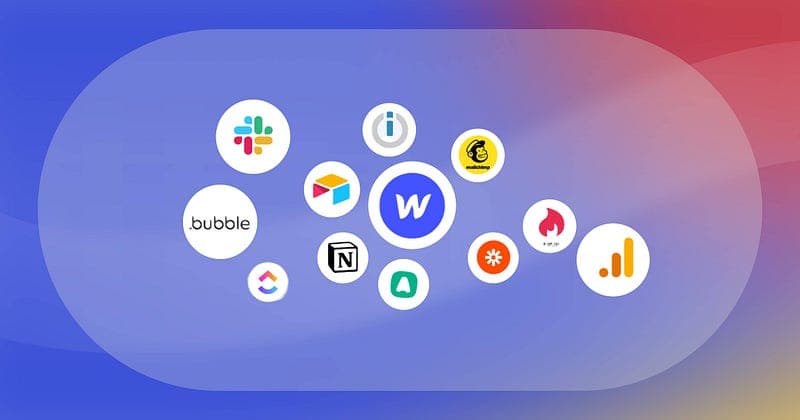
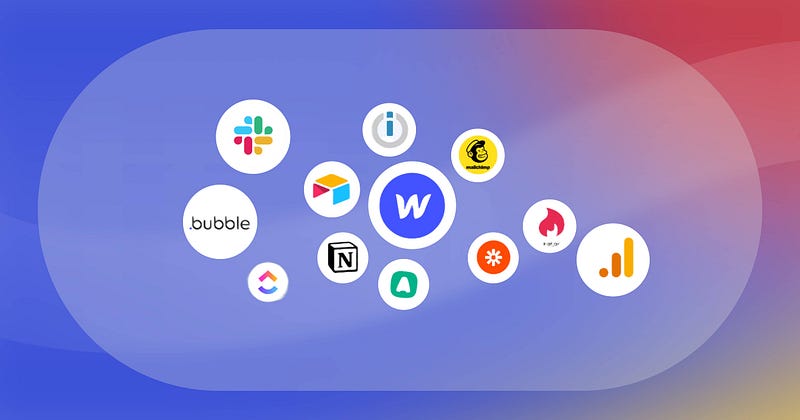
No-code tools can be used to create a wide range of applications, including websites, mobile apps, business process automation tools, and more.
Why No-Code Tools Are on the Rise?
There are several reasons why no-code tools are on the rise.
First, they are becoming increasingly powerful and sophisticated. Early no-code tools were often limited in their capabilities, but modern no-code platforms can be used to build complex applications and workflows.
Second, no-code tools are becoming more affordable and accessible. In the past, no-code tools were often expensive and required specialized training to use. However, today there is a wide range of affordable no-code tools available, and many of them are easy to use, even for people with no coding experience.
Third, the demand for digital solutions is increasing rapidly. Businesses of all sizes need to be able to digitize their operations and offer digital products and services to their customers. However, there is a shortage of skilled software developers. No-code tools help to bridge this gap by making it possible for anyone to build digital solutions, regardless of their coding skills.
How Startups Are Using No-Code Tools?
Startups are among the biggest adopters of no-code tools. No-code tools allow startups to build and launch products quickly and efficiently, without having to invest in a large team of software developers.
Here are some examples of how startups are using no-code tools:
- Building and launching MVPs: Startups can use no-code tools to build and launch minimum viable products (MVPs) quickly and easily. This allows them to get their products in front of customers and start collecting feedback early on.
- Automating tasks and workflows: Startups can use no-code tools to automate repetitive tasks and workflows. This frees up their employees to focus on more strategic initiatives.
- Creating custom tools and applications: Startups can use no-code tools to create custom tools and applications that meet their specific needs. This can help them to differentiate themselves from their competitors and improve their operational efficiency.
Examples of Startups That Are Using No-Code Tools
Here are a few examples of startups that are using no-code tools to build their businesses:
- Zapier: Zapier is a no-code automation platform that allows users to connect different apps and services together. It is used by over 5 million businesses, including startups like Airbnb, Dropbox, and Slack.
- Webflow: Webflow is a no-code website builder that allows users to create professional-looking websites without writing any code. It is used by startups like Spotify, Canva, and Mailchimp.
- Airtable: Airtable is a no-code database platform that allows users to create custom databases and workflows. It is used by startups like Instacart, DoorDash, and Coinbase.
How to Get Started with No-Code Tools
If you are interested in getting started with no-code tools, there are a few things you can do:
- Research different no-code tools. There are a wide range of no-code tools available, each with its own strengths and weaknesses. Do some research to find the no-code tools that are right for your needs.
- Start with a simple project. Once you have chosen a no-code tool, start with a simple project. This will help you to learn the basics of the platform and get a feel for what it is capable of.
- Use the resources available. There are a number of resources available to help you learn how to use no-code tools. Many no-code platforms offer tutorials and documentation, and there are also a number of online communities where you can ask questions and get help from other users.
Note: No-Code Tools Can Be Limited For Certain Massive and Complex Web Applications That Have Complex Backend.
To wrap this up, No-code tools are a powerful new tool for businesses and individuals of all sizes. They enable anyone to build digital solutions and automate workflows, regardless of their coding skills (But of course, these tools have their own learning curves). Startups are among the biggest adopters of no-code tools, as they allow them to build and launch products quickly and efficiently.
Catch You In The Next Article. Keep Hustling 🔥🔥
- Creating custom tools and applications: Startups can use no-code tools to create custom tools and applications that meet their specific needs. This can help them to differentiate themselves from their competitors and improve their operational efficiency.